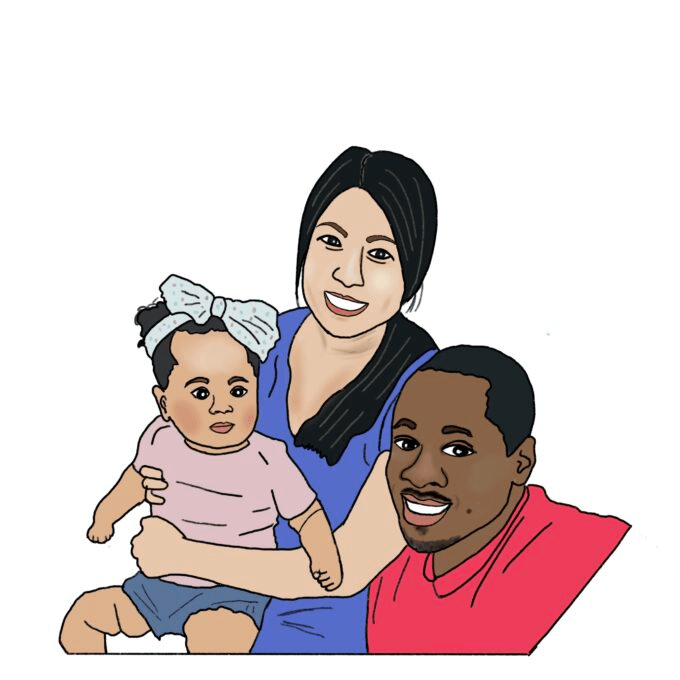

Today we bring you the story of Collin and Kayi!
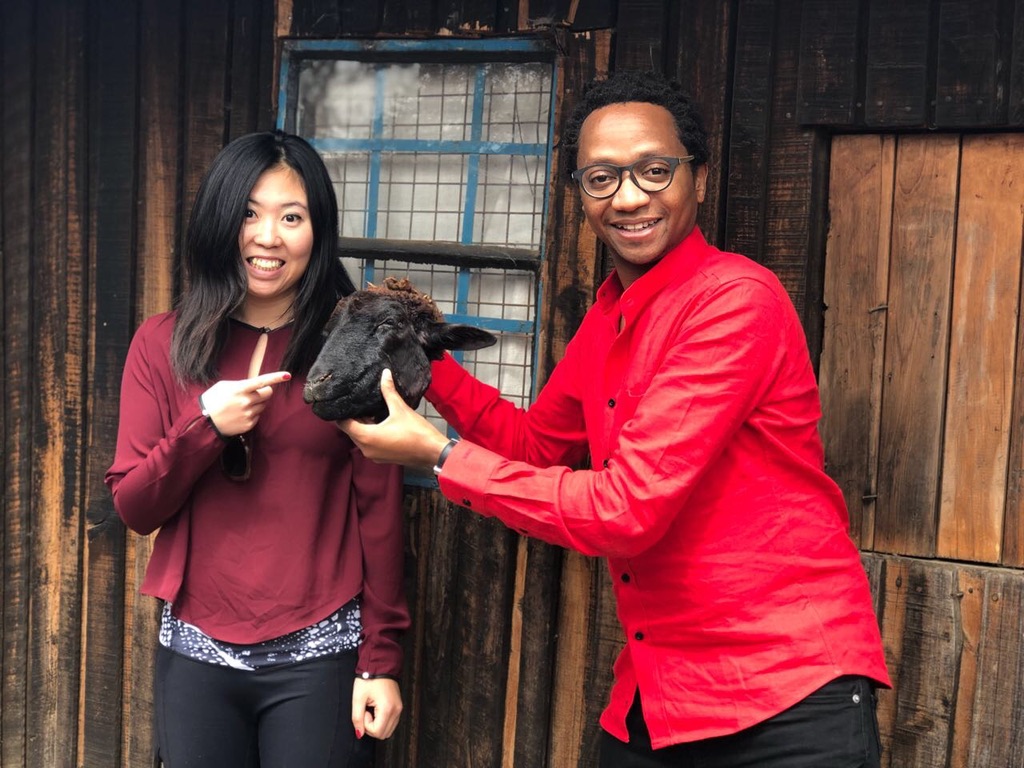
The couple first met at the Drexel Theatre in Columbus.Both of them were new to the city and decided to see the movie “Boy Hood” alone. Collin started talking to Kayi and they continued the conversation to a cafe after the movie. The couple soon discovered more shared interests from their overseas experiences. After many phone calls and hiking trips, Collin and Kayi realized how much common core values and life goals they share, and gradually grew more fond of each other. Before long, they couldn’t imagine life without each other anymore.
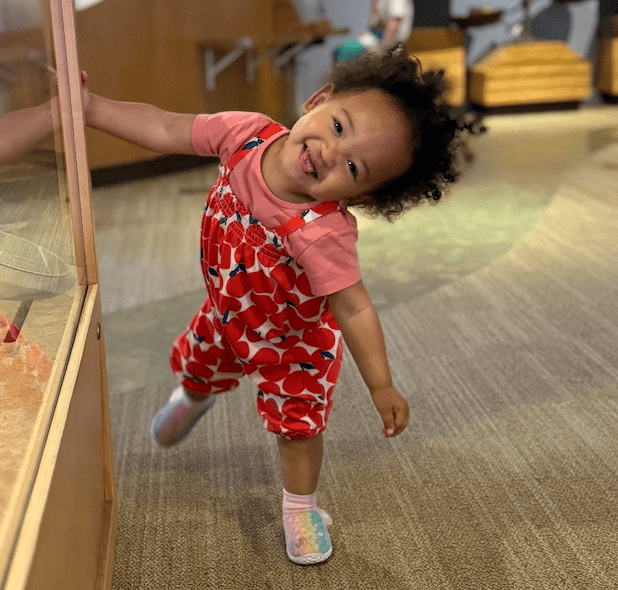
Now the couple is now married and lives in Washington DC with their baby daughter.
FIFINONO had an interview with these two lovebirds to learn how cultural difference impacts their lives.
FIFINONO: What perceptions did you have of their culture? Did they live up to it?
Collin:I knew a lot about Chinese culture as far as it relates to Mainland China and Taiwan, having lived both places, but I had never spent much time in Hong Kong. My stereotype of Hong Kong people is they were very money focus, business oriented, rude, and always in a rush, and have a specific Cantonese-English accent. Kayi is not very stereotypical. She is more laid back than me. Sometimes I tease her she is from the countryside. I would say she is often in a rush to do things, not because there is not enough time, but just because she kind of rushes through things to get to the next thing. She is also frugal, but not overly focused on making money.
Kayi: Looking back, I think the American culture that I know is mostly based on White European culture, and I definitely lack understanding of Black culture before I met Collin. I think Collin lives up to the mainstream American values of independence, achievement orientation, optimism, and fairness. However, he does not match with the stereotypes of Black Americans, which are very negatively tainted by the media and White supremacy culture. I also had the perception that Black men are athletic, funny, and affectionate, and I think Collin definitely lives up to that (hmm maybe not the athletic part as he’s kind of clumsy).
Have you had arguments or misunderstanding due to cultural differences?
Collin: We do not argue much, rarely, but I guess it is more about how to relate to friends and family. I think Chinese people tend to care about “face” and are more willing to submit themselves to the group to achieve harmony, even when someone else in the group is behaving in a way that is “bad”. Obviously, Americans are not usually like that, we speak our minds and expect our personal boundaries respected, even with our families.
Kayi: I think our biggest differences are our perception of social harmony (ways to achieve that) and our needs for independence/individuality. I don’t usually confront or criticize others in a group or public space, even though I don’t agree with them, I think Collin has a different view about this.
Even though I am relatively introverted, I feel the need to be with people or surrounded by people. This is also because growing up, I was never left alone in my family. In fact, people get judged by “not blending in” in our society. My family or culture doesn’t have the concept of “privacy” and “personal space” so I guess at the beginning I might have annoyed Collin because I didn’t give him enough “personal space” or “alone time.
Is there anything cultural your partner does that you like or dislike?
Collin: Like: She is very future oriented and likes to plan things in a way most Americans do not, especially around finances. Dislike: Rushing through things, I am detail oriented, and she is not, so I feel she often rushes at the expense of quality.
Kayi: Like – celebrate our success (e.g., graduation, accomplishing sth) and important dates as a couple (e.g., wedding anniversary, valentine’s day, etc). In Chinese culture, you are supposed to be humble so you don’t celebrate anything; Dislike: Perfectionism (I think this is Western culture or White culture) and punctuality. Sometimes I can overlook details if it is not something important, and my sense of time is a bit loose compared to Collin.
Is there anything in your partner’s culture that you also have started doing?
Collin: : I take off my shoes in the house, and I eat white rice too much.
Kayi: I dress up for Halloween and watch horror movies; I eat too much sweets and pizza; I enjoy cooking and hosting for the holidays (Thanksgiving, Christmas)
What are some of the products that you didn’t know your partner uses?
Collin: She has Japanese electric water heater that keeps water hot 24 hours a day. Chinese people often like to drink warm water, they think it is healthier than drinking cold water.
Kayi: Collin uses bar soap and hair brush; he also is keen on putting lotion on his body to avoid looking “ashy,” which most of the men I know (like my father) never care. He had to explain to me why.
ON FOOD
What food does your partner eat a lot from their culture?
Collin: White rice, pre-main dish Cantonese soups Kayi: Candy, cake/pies, meat and dairy
Kayi: Candy, cake/pies, meat and dairy
What food do you love from your partner’s culture?
Collin: I like a lot of styles of Chinese food, from Cantonese cuisine
Kayi: I like pizzas and craft beer; I also like pies
What food from your partner’s culture is weird to you?
Collin: Cantonese traditional soups
Kayi: Fried fish and seafood (in Chinese cuisines, seafood is always steamed or stir-fried in sauce)
Is there any food in your culture that’s similar to your partner’s?
Collin: Pig Feet, however, neither of us eat that, although we both have relatives that do. Chinese American food and French toast are part of my culture, but many of these things taste very different in Hong Kong.
Kayi: There is local Hong Kong food in “Cha-chan Teng” that resembles food in American diners. These are comfort food for Hong Kong locals like french toast, chicken noodle soup (the noodles are macaroni), pastries (e.g., pineapple buns, egg tarts), milk tea, and pork chop/ steak dinner combo.
ON LANGUAGE
What cute phrases have you learned from your partner’s language?
Collin: Nong-Nong 【农农】 – rural person; 大头 [da tou] – big head. I call myself 九龙大王 【Great King of Kowloon】 a place in Hong Kong.
What are the words/phrases your partner always says in their language?
Collin: A-ya! [What!?!?] Mo-le! [nooooo], [Cantonese], and nooooo-a.
ON ENTERTAINMENT
Do you listen to music from your partner’s culture? Do you have a favorite song?
Collin: No, she does not really listen to music.
Kayi: yes, Collin likes to play his music/spotify list when he’s driving; he also has really good musical memories, and he would recall the singers, the name of the song and when/how he first heard about the song just from listening to the radio. He is a human Shazam!!!
What festivals in your partner’s culture do you celebrate together?
Collin: We celebrate Mid-Autumn Festival and Lunar New Year.
Kayi: We celebrate Thanksgiving and Christmas
What children’s tales are important in your culture?
Collin: Hansel and Gretal. Goldilocks and the Three Bears, the Three Pigs, Lion King. LOL I have no idea actually.
Kayi: All the folk tales and historic heroes related to specific festivals such as Dragon Boat Festival, Chingming Festival, Mid-Autumn Festival (the story behind eating moon cake), Chinese New Year traditions (e.g., lion dance)
ON PARENTS
Have you met your partner’s parents? Did you have any concerns about meeting them?
Collin: Yes a bit. I was concerned they would not accept me or be rude because of my race, but this was not the case.
Kayi: I didn’t have the chance to because they both have passed away, but I heard many stories about Collin’s parents. I think they would be very cool and laid back in-laws
Did your partner’s parents do anything that surprised you?
Collin: They got me a gold ring when we had our wedding banquet in Hong Kong.
Kayi: I think Collin’s mom instilled good work ethics, personal hygiene and housekeeping practice in him; he still follows his mom’s rules and expectations
FINAL WORDS:
What is the best part of being in a cross-cultural relationship?
Collin: I can speak Chinese in public with her and 95% of people do not know what we are saying? Seriously, I think it is genuinely interesting in learning about another person’s cultural and if you are an open person it will influence the way you see the world.
Kayi: I think it’s the acceptance of differences in each other and the opportunity to keep learning about each others’ culture. There is always sth new that we don’t know about each others’ culture or are not aware of its intricacy. It also deepens my understanding and appreciation of my native culture through my partners’ questions, curiosity, and sometimes rejection.
Has this relationship changed you? How?
Collin: If you are really in a relationship then you must care about the other person, be open, negotiate, really listen, consider their needs, etc. Also, if you love and respect a person, and you are open minded then it is certain being with this person will influence you on many levels.
Kayi: I think I am still the same person. But I definitely have more curiosity about other cultures and want to travel more to see the world. Collin has also shown me the importance of speaking up and questioning the status quo. I think I have also put more interest and time in doing things/hobbies in my spare time, rather than focusing on work.
FIFINONO Notes:
Collin and Kayi is the first Blasian couple FIFINONO interviewed, and we were excited to find all the similarities in our relationship. There’s also a lot from us to learn from the couple.
As Kayi said, there are often negative biases of black people within the Asian community, due to media representation and historical white admiration amongst us. FIFI feels it’s now her responsibility now to spread the real image of NONO’s community in Chinese society. After all, this is why we started FIFINONO, to bring us all a little closer.
FIFINONO Culture Learning:
American confidence VS Chinese humility
When FIFI first arrived in the US, she started receiving so many compliments! Apparently she was suddenly “doing a good job” all the time. While back home in China, FIFI always hears “You can do better than that.” instead – never brag about your achievements. Americans are used compliments and encouragement since they were kids, and as a result, conditioned culturally to believe that there is something inherently special about them. While in China, we listen to Confucious saying “If three of us are walking together, one of them must be my teacher.” Living in both China and the US, FIFI is still trying to find a good balance. Any tips?
Are you in a cross-cultural relationship? Would you like to share with us your stories, learnings, and tips? Would you like to have your couple sketching on our website?




 FIFINONO - a blog about cultural exploration
Leave a comment