One thing I’ve learned about parenting—just my personal opinion, don’t @ me—is this: kids adapt.
They’ll adjust to new food, new beds, new climates, new routines, and yes, new languages. We tend to shape our whole world around our children, changing everything to make it as easy and comfortable as possible. But honestly? Sometimes it’s better to just let them adapt. Because they will. They’re wired for it.
Language has been no different in our home.
We’d heard all the advice: Stick to one person, one language. Be consistent. Create clear language boundaries. In theory, that sounds great. In practice? Well… let’s just say we’re not linguistic purists.
We speak Mandarin. We speak English. We speak a little Swahili. We switch mid-sentence, mid-thought, mid-toddler meltdown. We try to follow “the rules,” but we’re human. Tired, messy, multitasking humans. And sometimes, so is the language.
But here’s what really matters to us: exposure.
We expose her to as much of both languages as we can. And slowly—almost magically—she’s picking it all up.
Some words, she prefers in Chinese:
- Socks
- Pants
- “I want to go out” (a frequent request, usually with mom’s shoes already in hand)
Others, she defaults to English:
- Bunny
- Ducks
- “All done!”
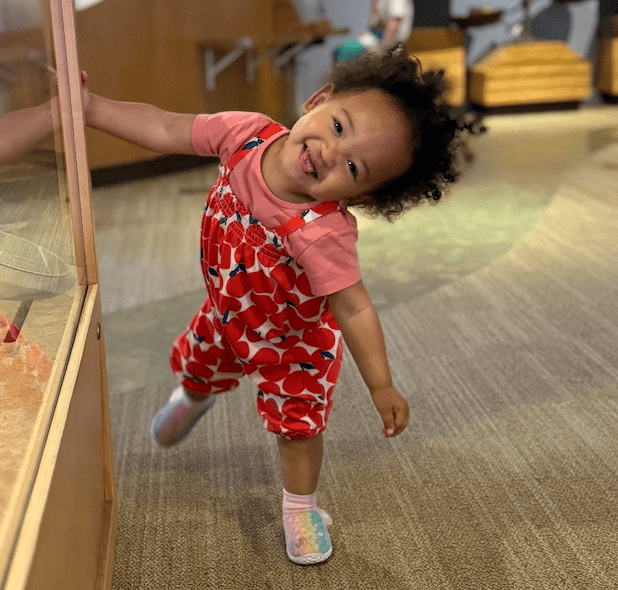
She understands instructions in both. She responds in both. And what absolutely melts our hearts? She adjusts depending on who she’s talking to. If she’s with FIFI’s parents, who only speak Mandarin, she’ll try. She’ll repeat. She’ll swap a word out. She’ll make herself understood, even if it means switching codes five times in one sentence.
It’s adorable. And fascinating.
Yes, she mixes languages sometimes. She blends English and Chinese in a way that makes language purists cringe. But guess what? So do we. Half our adult conversations sound like Mandarin-English jazz fusion.
She’s learning through context, emotion, tone, and repetition. She’s watching, listening, decoding. Her brain is doing things ours forgot how to do decades ago. And it’s a privilege to witness it in action.
Is it too early to tell where her language journey will go? Absolutely. There’s still so much we don’t know—about multilingual development, about language dominance, about how to best support her long-term.
But we’re learning alongside her. We’re reading. We’re trying. We’re making mistakes. And mostly, we’re talking to her. In every language we’ve got.
Because in the end, it’s not about perfect grammar or clean boundaries. It’s about connection. And our job is to give her the tools to connect—with family, with culture, and with the wide, multilingual world she’s growing up in.
When she screams “Buyao touch” (不要 buyao mean’t don’t, I don’t want), it just makes us laugh, we’re cool with that. She’s got time. And we’ve got snacks.
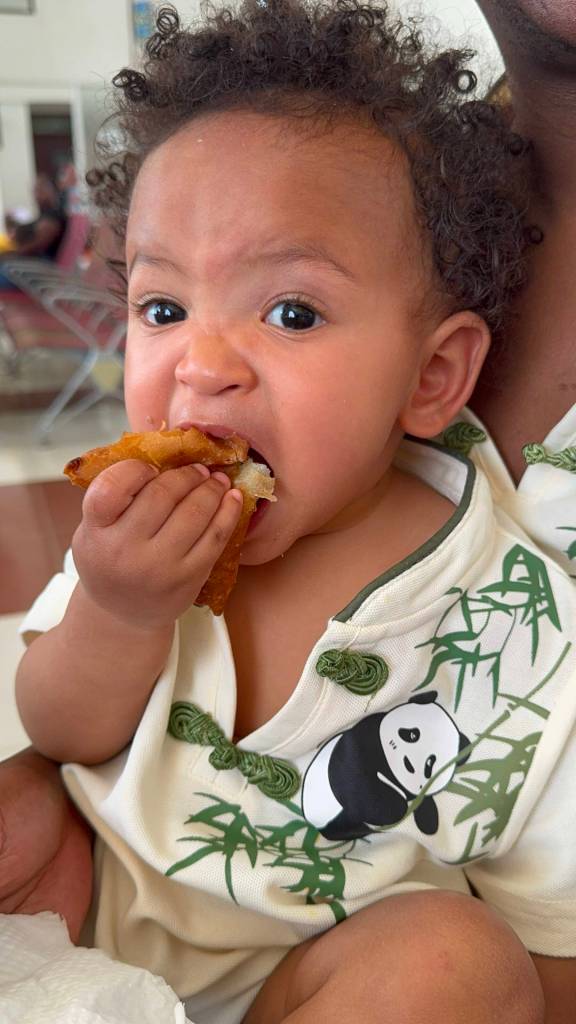
I would love to hear your journey of raisng multilingual kids, share with us your story.



 FIFINONO - a blog about cultural exploration
Leave a comment